Embedding sustainability across university curricula at UCY
The University of Cyprus implemented a university-wide initiative to embed sustainability education into its academic programs, aiming to align with the global agenda for climat…
Discover innovative approaches to integrating sustainability into higher
education curriculum
Peer-reviewed practices submitted by educators and institutions worldwide. 15 approved practices in the collection.
The University of Cyprus implemented a university-wide initiative to embed sustainability education into its academic programs, aiming to align with the global agenda for climat…
The University of Cyprus implemented a university-wide initiative to embed sustainability education into its academic programs, aiming to align with the global agenda for climate action and sustainable development. This included the integration of sustainability-related courses across undergraduate and postgraduate curricula in fields such as engineering, education, biology, and architecture.
The Master in Agroecology and Food Sovereignty (MAFS) integrates academic study with practical, action-based research in diverse agroecological communities across Europe and inter…
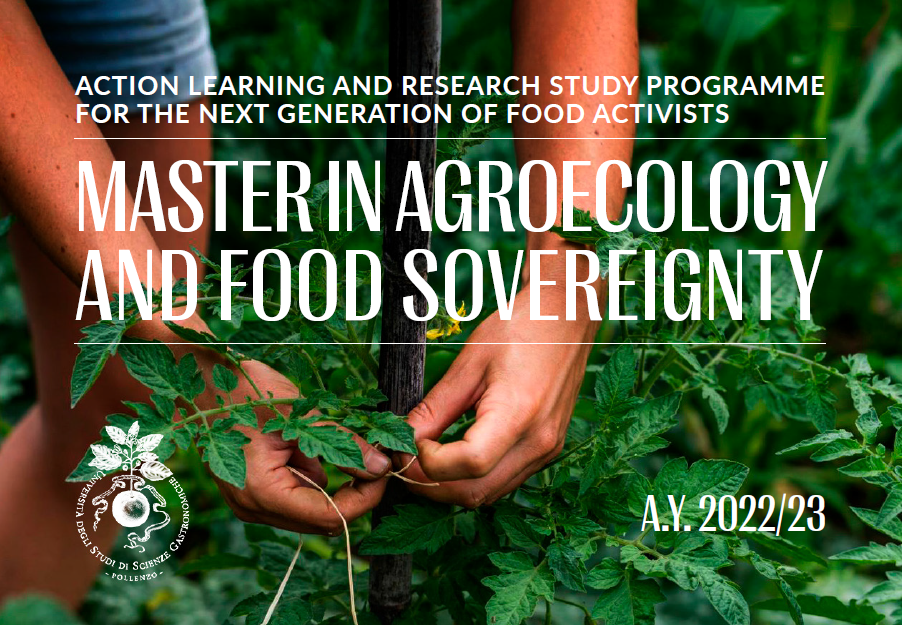
The Master in Agroecology and Food Sovereignty (MAFS) integrates academic study with practical, action-based research in diverse agroecological communities across Europe and internationally. Structured around four modules, Action Learning and Action Research, Food Sovereignty, Sustainable Agroecosystems, and Food Systems and Economy, the programme guides students through immersive phases that include foundational theory, research preparation, community-based action research, and final thesis development. Students engage actively in farm management, food processing, community interaction and research, building the capacity to drive sustainable transformations in the agrifood system. The programme was developed within the H2020 NextFOOD project to create learner-centred, participatory, action-based agrifood education, and it monitors student progress using competency measures inspired by the NextFOOD framework. It prepares graduates to become facilitators of sustainable change and equips them with holistic, transdisciplinary knowledge spanning the ecological, social, economic, cultural and policy dimensions of food systems. It is a strong, replicable model of experiential curriculum greening in higher education.
This practice describes how the University of Trento (UniTrento) has progressively integrated environmental sustainability into its curricula, governance and daily campus life thr…
This practice describes how the University of Trento (UniTrento) has progressively integrated environmental sustainability into its curricula, governance and daily campus life through the "UniTrento Sostenibile" strategy and its Green Office and through specific initiatives connected with the University strategic plan. A concrete example is M&ASURE, an innovative project based on MOQA, a low-cost plug-and-play monitoring system developed within a doctoral research at the Department of Civil, Environmental and Mechanical Engineering. MOQA collects real-time data on air quality, thermal comfort and energy consumption in classrooms, laboratories and offices, and directly involves students and staff through QR codes, smartwatches and tablets, allowing them to give feedback and increase their awareness of energy use. The practice combines curriculum integration (over 180 courses across bachelor's, master's and PhD programmes address sustainability topics), institutional governance (Green Office, sustainability plans since 2016) and participatory, experiential engagement of the whole academic community.
The Experiential Design Challenge, hosted at the KOVAN Ecological Ambassador Camp in Balören Village, is a pedagogical intervention merging green and digital STEAM education. Over…
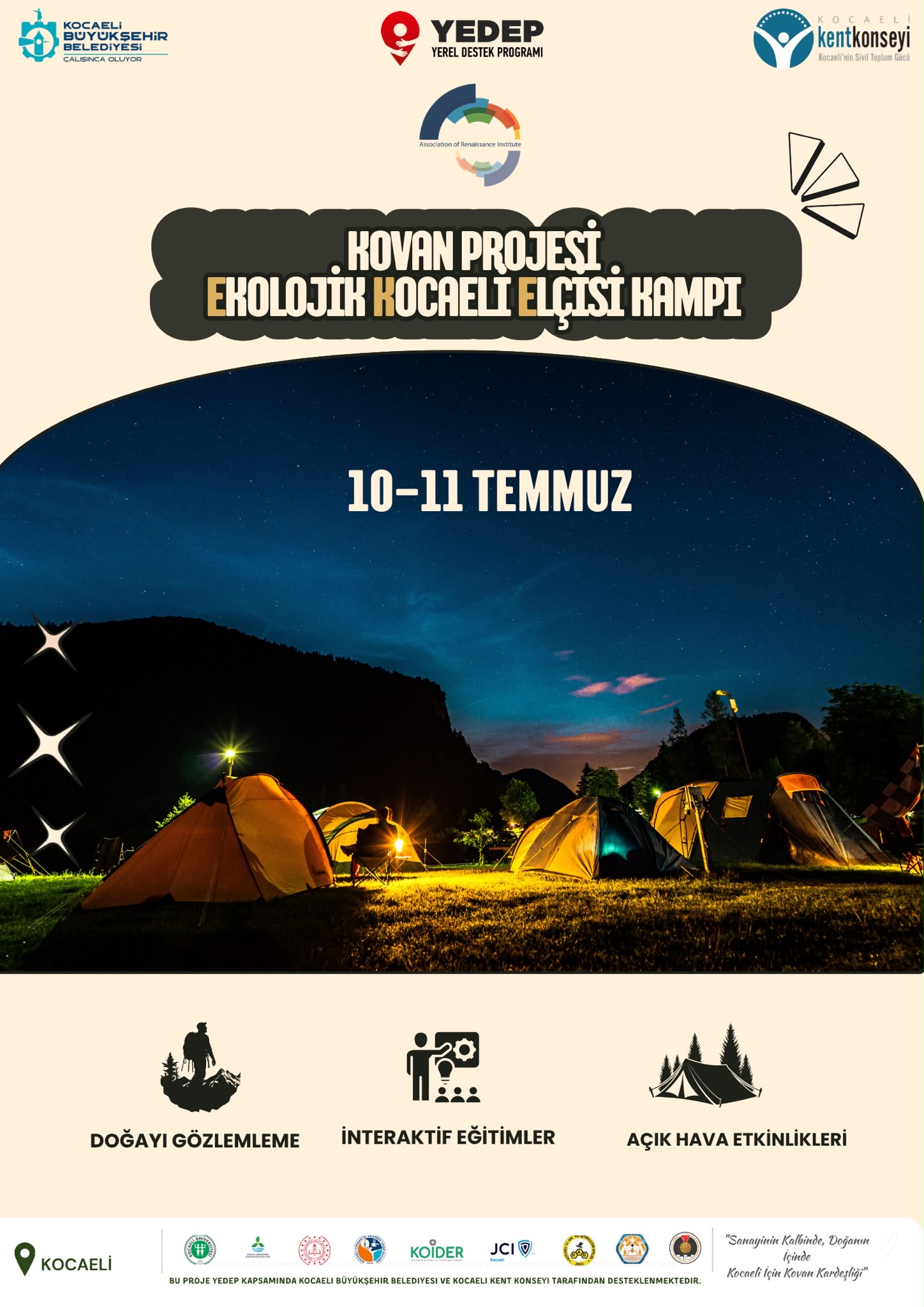
The Experiential Design Challenge, hosted at the KOVAN Ecological Ambassador Camp in Balören Village, is a pedagogical intervention merging green and digital STEAM education. Over a two-day event in July 2026, participants analyze a local ecosystem to identify biological survival requirements—such as those of pollinators—and environmental threats. The primary focus is on developing practical, transferable skills. Through active field observations, including empty hive examinations and plant inventories, learners acquire hands-on data collection and biological assessment proficiencies. The challenge culminates in a collaborative digital mapping workshop, where teams apply spatial design and data synthesis skills to merge findings into a unified regional map proposing specific sustainability solutions. By evaluating these models against Key Performance Indicators for accuracy and interface usability, participants refine their critical thinking and technological capabilities. Those demonstrating strong ecosystem knowledge and digital mapping proficiencies earn micro-credentials through a formal accreditation framework.
This Best Practice represents a comprehensive, digitally delivered course portfolio designed to embed sustainability competencies directly into higher education and professional t…
This Best Practice represents a comprehensive, digitally delivered course portfolio designed to embed sustainability competencies directly into higher education and professional training. Rather than offering isolated modules, this initiative aggregates a suite of online courses focusing on critical green skills, including digital environmental tools, carbon footprint auditing, and sustainability project monitoring. Built using flexible, self-paced learning structures, the courses combine theoretical frameworks (such as the LEAF and GreenComp frameworks) with practical, action-oriented student assignments. Students engage in virtual case studies where they analyze real-world environmental challenges, evaluate resource efficiency, and design mitigation strategies. By packaging these specialized courses into a singular digital learning path, the portfolio provides a scalable model that enhances student engagement, promotes self-directed learning, and systematically builds the interdisciplinary competencies required for the green transition. The impact is tracked through digital assessments, student feedback, and successful course completion rates, leading to verified micro-credentials.
Experiential Design Challenge, hosted at the KOVAN Ecological Ambassador Camp in Balören Village, is a pedagogical intervention merging green and digital education. Over a event i…
Experiential Design Challenge, hosted at the KOVAN Ecological Ambassador Camp in Balören Village, is a pedagogical intervention merging green and digital education. Over a event in July 2026, participants analyze a local ecosystem to identify biological survival requirements—such as those of pollinators—and environmental threats. The primary focus is on developing practical, transferable skills. Through active field observations, including empty hive examinations and plant inventories, learners acquire hands-on data collection and biological assessment proficiencies. The challenge culminates in a collaborative digital mapping workshop, where teams apply spatial design and data synthesis skills to merge findings into a unified regional map proposing specific sustainability solutions. By evaluating these models against Key Performance Indicators for accuracy and interface usability, participants refine their critical thinking and technological capabilities. Those demonstrating strong ecosystem knowledge and digital mapping proficiencies earn micro-credentials through a formal accreditation framework.
The Environmental Economics and Policies (EPA) programme, offered within the joint Master’s degree in Environmental, Cultural and Territorial Economics of the University of Turin …
The Environmental Economics and Policies (EPA) programme, offered within the joint Master’s degree in Environmental, Cultural and Territorial Economics of the University of Turin and Politecnico di Torino, integrates climate education and sustainability into mainstream higher education curricula. The programme equips students with interdisciplinary knowledge and practical skills to address contemporary environmental challenges, including climate change, pollution, energy transition, biodiversity conservation, natural resource management, and environmental risk assessment. Combining economics, public policy, engineering, and environmental sciences, the curriculum provides both theoretical foundations and applied learning opportunities through fieldwork, workshops, study visits, internships, and collaboration with external stakeholders. Students develop competencies in environmental valuation, data analysis, GIS applications, environmental law, environmental accounting, and policy design, enabling them to assess environmental impacts and develop sustainable solutions. The programme’s strong connection with public institutions, international organizations, research centres, and private-sector actors enhances its practical relevance and employability outcomes. By integrating interdisciplinary teaching with real-world experience, the EPA programme prepares graduates to contribute effectively to environmental governance, sustainable development, and the green transition.
The PoliTo Food Design Lab (PFDL), developed within the Politecnico di Torino’s Fighting Food Waste Design initiative, is an innovative pedagogical practice that combines sustaina…
The PoliTo Food Design Lab (PFDL), developed within the Politecnico di Torino’s Fighting Food Waste Design initiative, is an innovative pedagogical practice that combines sustainability education, experiential learning, and community engagement. Established in 2017, the Lab addresses food waste, food poverty, and circular economy challenges through hands-on activities that enable students and citizens to explore the environmental, social, and economic dimensions of food systems. Operating as a mobile “pop-up” laboratory, PFDL brings learning beyond traditional classrooms into community spaces such as markets, schools, shelters, and urban gardens. Its interdisciplinary approach integrates design, social sciences, engineering, and economics, fostering collaboration across sectors and stakeholder groups. Through participatory workshops, exhibitions, and co-design activities, participants develop practical skills, critical thinking, and civic awareness while engaging directly with real-world sustainability issues. By connecting academic learning with community needs, PFDL demonstrates how design-led, practice-based education can promote environmental responsibility, social inclusion, and active citizenship.
Annual competition open to final-year student projects demonstrating a contribution to sustainability. Includes three award levels, a regional shortlist, an independent jury, a €3…
Annual competition open to final-year student projects demonstrating a contribution to sustainability. Includes three award levels, a regional shortlist, an independent jury, a €3,000 top prize, a public ceremony, and wider publicity through press and social media.
Join the community and contribute to the global sustainability education network.
Quick Link
The LEAF Guidebook Digital Catalogue of Best Practices Ambassador Toolkit Institutional Action PlansGallery
Newsletter
Stay updated on emerging sustainability challenges and new pedagogical tools. Join the LEAF community newsletter to keep the framework alive and adaptive.